456
hospitals are using SIGN Products to heal
25,000+
injured and impoverished people each year.

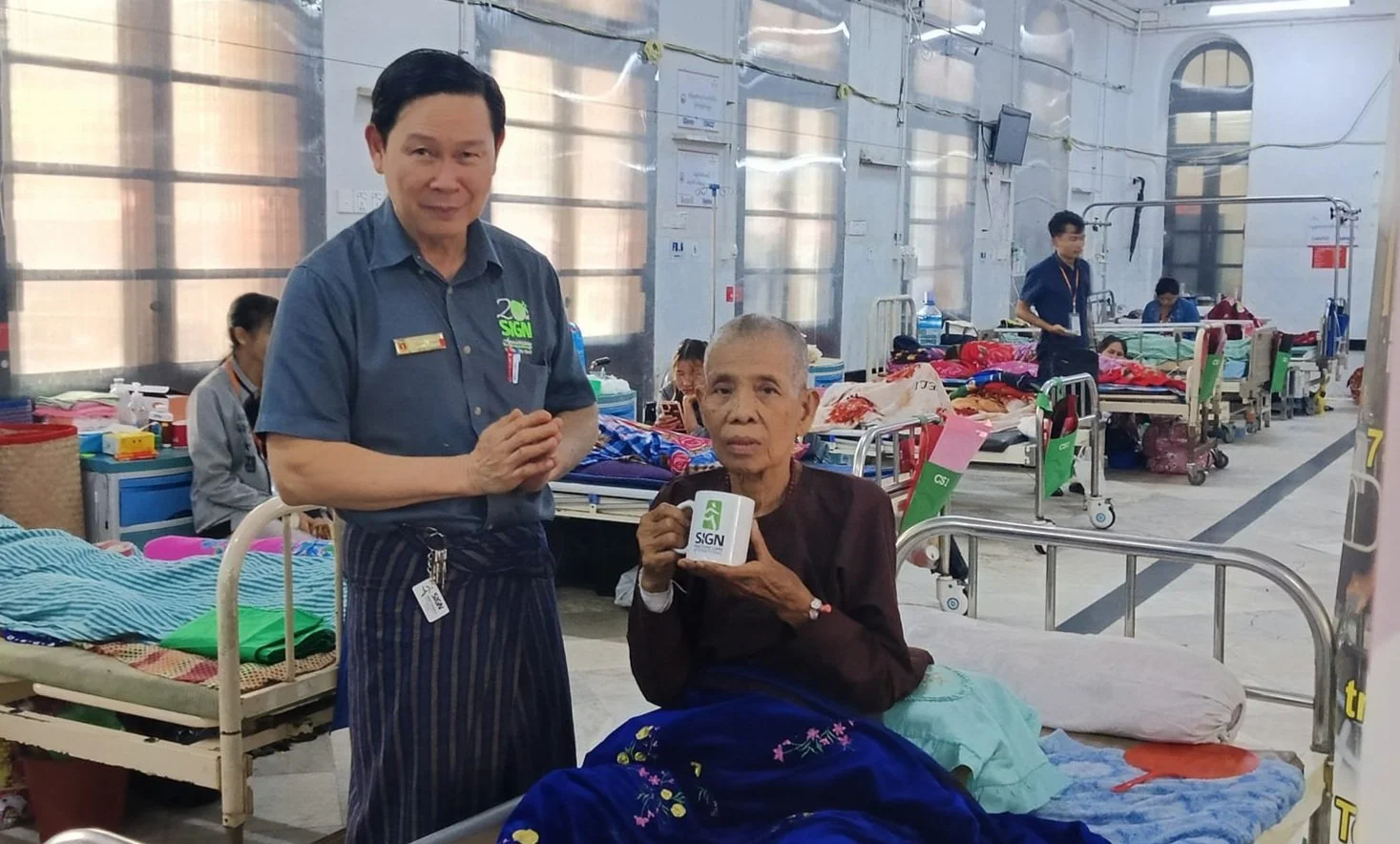
At follow-up appointments after SIGN Surgery, patients are asked to “squat and smile” — a test to show restored range of motion, strong healing, and that they are pain free. This was designed to save the cost of a follow-up x-ray for impoverished patients.
SIGN Mission
SIGN Fracture Care gives the injured poor access to fracture surgery by donating orthopaedic education and implant systems to surgeons in low- and middle-income countries (LMIC).
SIGN Surgeons help people get back on their feet after a traumatic injury so they can quickly return to work or school and keep their family on the path out of poverty.
Helping Injured People Heal
Road Traffic Accidents
Every year, road traffic accidents kill 1.19 million people and injure 20-50 million more, according to the WHO. Many of those injured people suffer a fractured bone, and they risk becoming permanently disabled if they cannot access orthopaedic care.
Poverty
According to the World Bank, nearly half the world — over 3 billion people — live on less than $6.85 a day. These people cannot simply cannot afford to purchase a commercially available implant.
SIGN designs, manufactures, and donates orthopaedic implants needed to stabilize and heal fractures — at no cost to hospitals and patients.
SIGN Model
Education
SIGN provides educational materials, in-person conferences, virtual webinars, and mentorship for orthopaedic surgeons in LMIC. By partnering with teaching hospitals in developing countries, SIGN is equipping surgeons to heal patients in their own communities. Once they receive education, these surgeons share what they have learned with their colleagues, raising the level of competence and care where it is needed most.
Implants
After educating each surgeon, SIGN gives them the instruments and implants they need to perform trauma surgery. The SIGN System is designed for use in low-resource hospital environments, does not require a C-Arm or even electricity, and is registered with the FDA. SIGN’s stainless steel implants stabilize a fractured bone so that it can heal and enable the patient to walk while the bone heals.
Healing
A SIGN Surgery is successful when a patient returns to normal function. Typically, a patient can walk the day after surgery, leave the hospital within a week, and return to work or school within one month. Each step of a patient’s surgery and recovery is documented on the SIGN Surgical Database. The database enables us to validate healing, provide feedback and mentorship to each surgeon, and conduct research to improve products and procedures.