Did You Know…
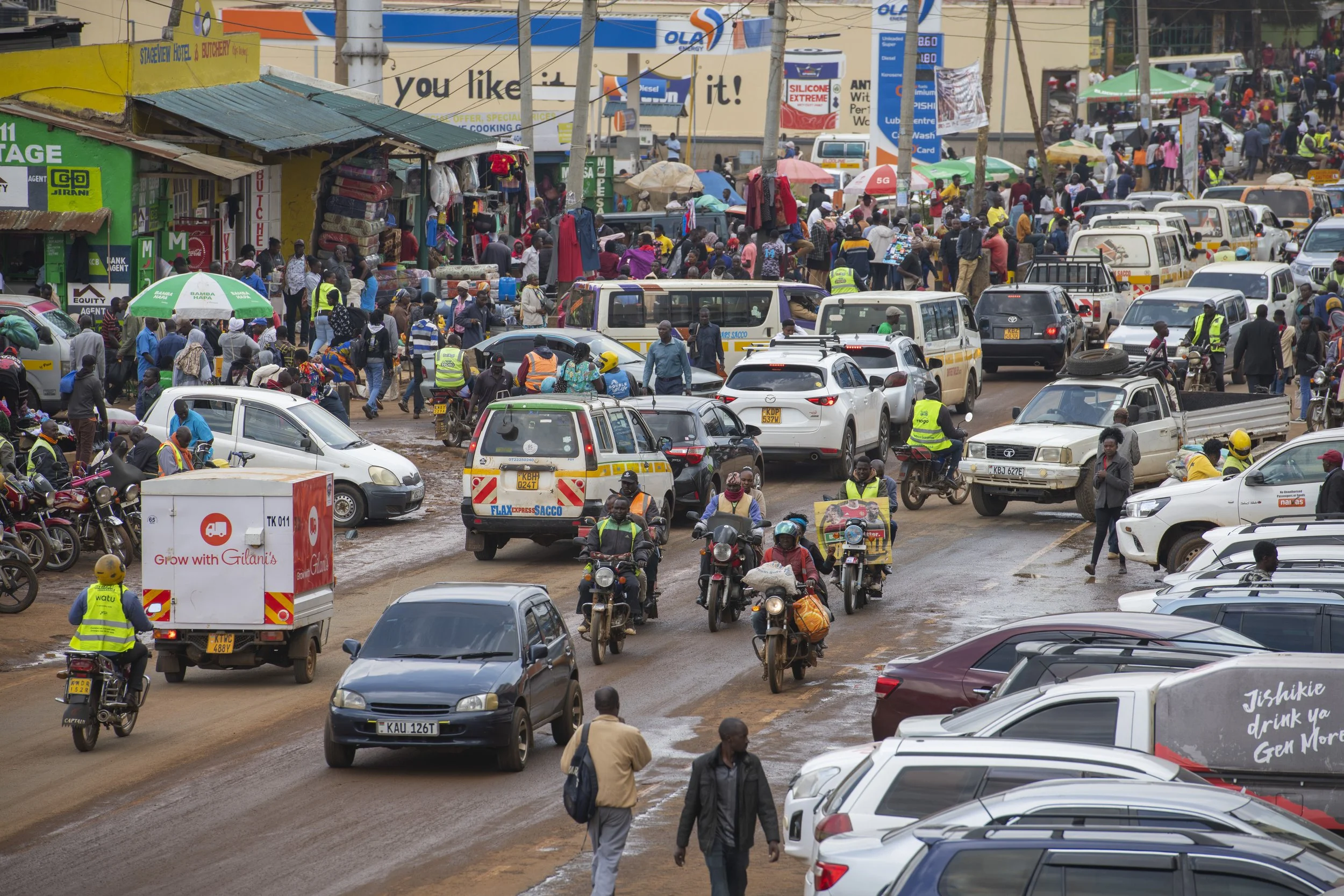
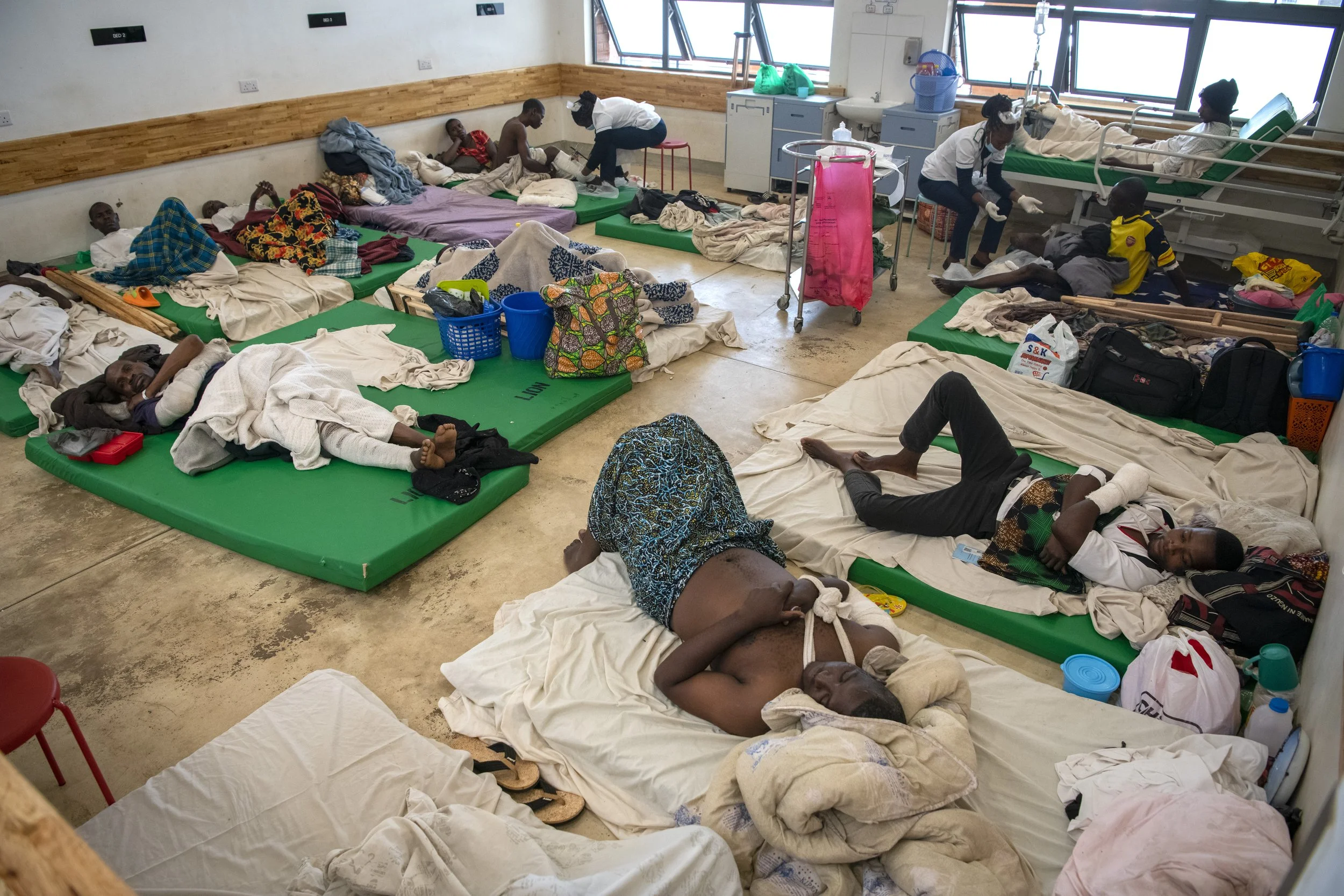
Eldoret, Kenya (2024)
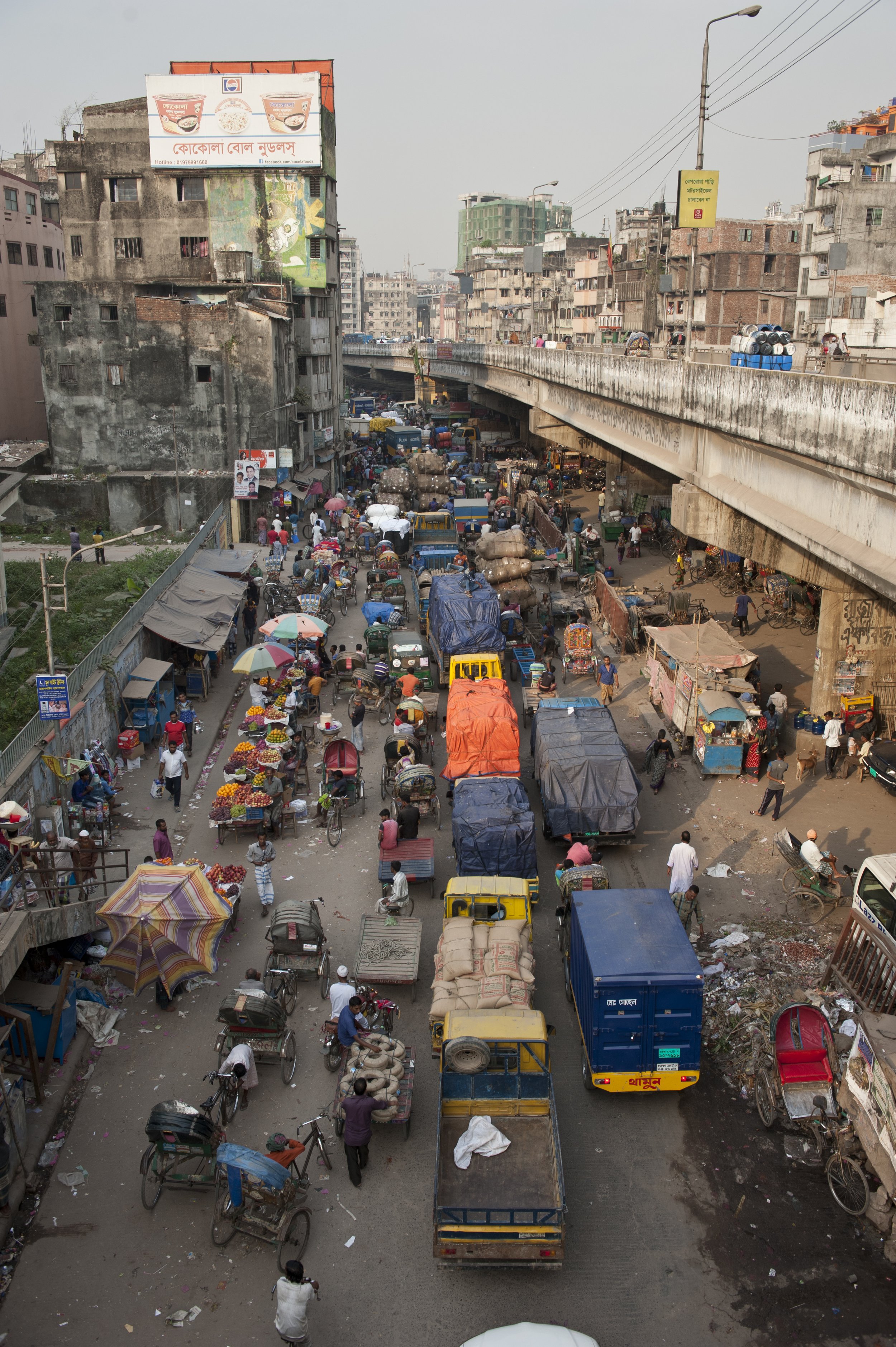
Dhaka, Bangladesh (2017)
Here, in the United States, a broken arm or leg is often taken for granted. Although painful and inconvenient, we do not often think of a broken bone as a life-changing injury.
But, for people living in low- and middle-income countries (LMICs), a broken arm or leg can easily lead to disability and permanent loss of mobility.
Road traffic accidents injure between 20 - 50 million people per year?
Traffic accidents, especially those involving pedestrians or improperly restrained passengers, often result in traumatic injuries, including broken arms and legs.
When one of these individuals gets in an accident and breaks a bone, they simply cannot afford to pay for surgery or a medical implant that costs hundreds or thousands of dollars.
When a person is unable to walk, they are unable to go to work and provide for themselves and their family.
When the primary breadwinner of a family is unable to work, the entire family can be pushed deeper into poverty for three generations.
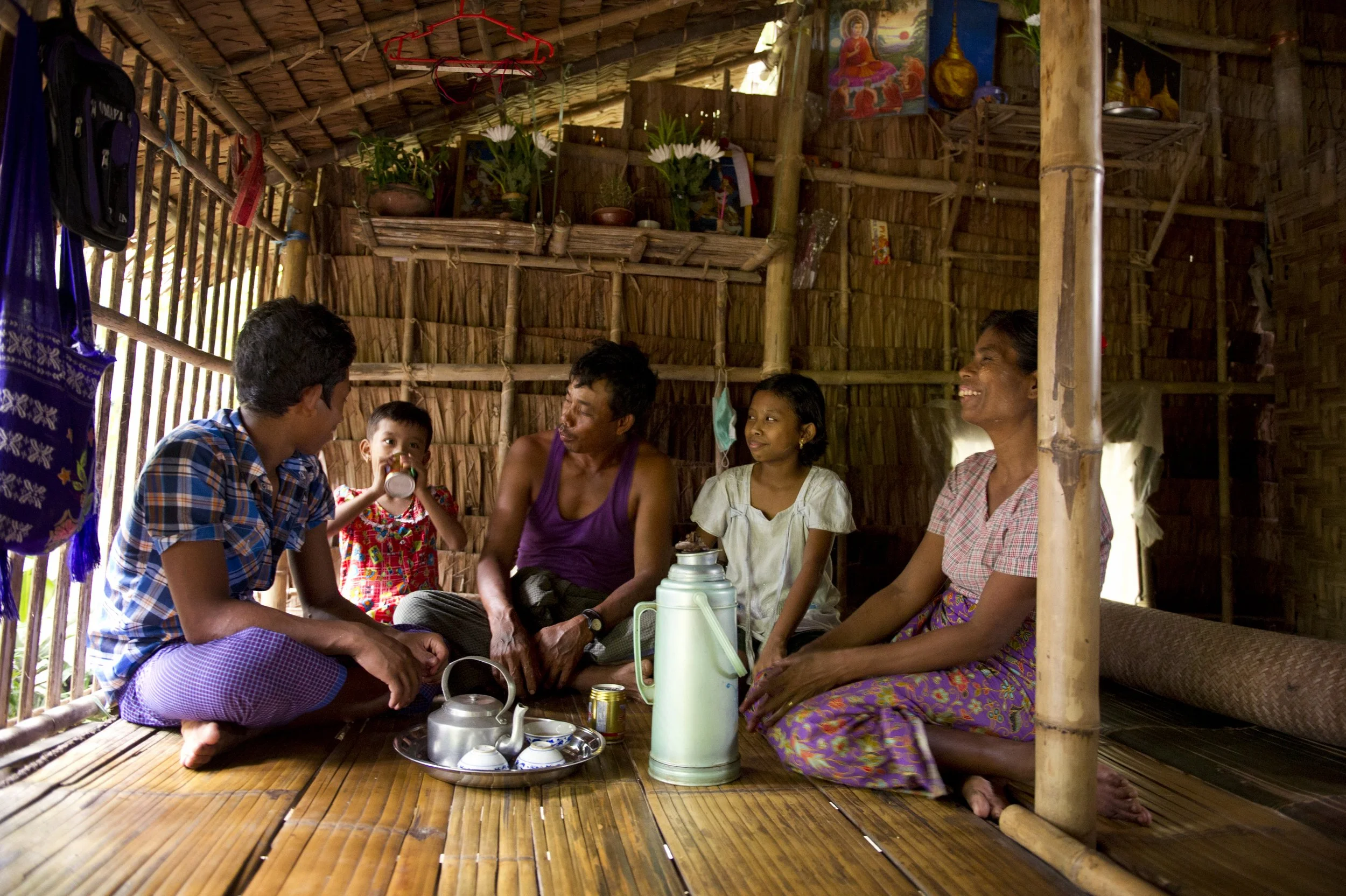
Rural Myanmar (2016)
In most LMICs the median wage a worker earns in a month is hardly enough to support themselves or their family. For example, in Myanmar (pictured above), the minimum wage is about $97 per month. The cost of treating a broken bone in Myanmar is roughly $500-700 but can be ten times as much at private hospitals. If you are living on $97 per month, surgery is next to impossible without assistance.
According to World Bank statistics, 3.7 billion people live on $8.30 or less per day. This number represents nearly half of the global population.
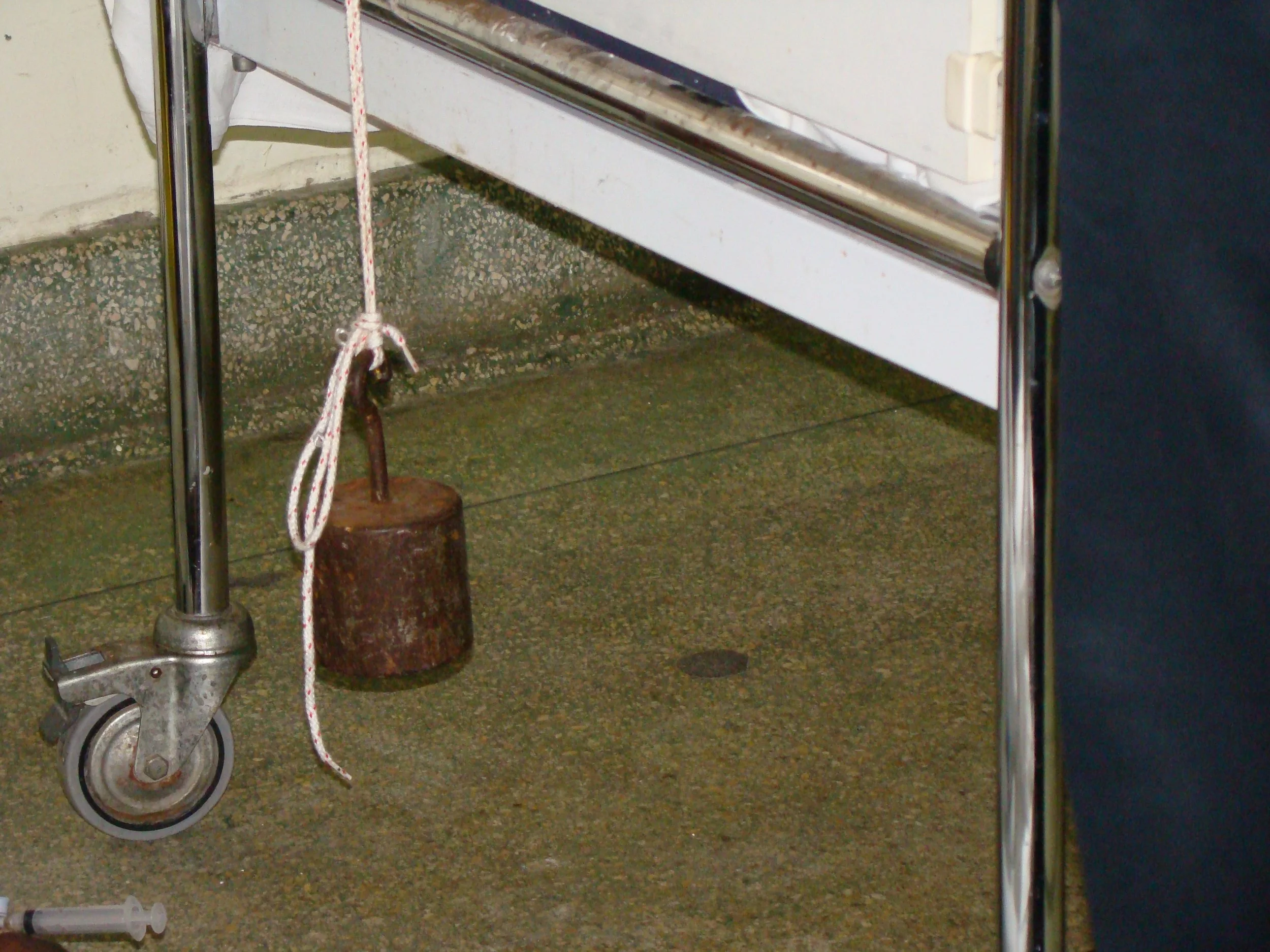
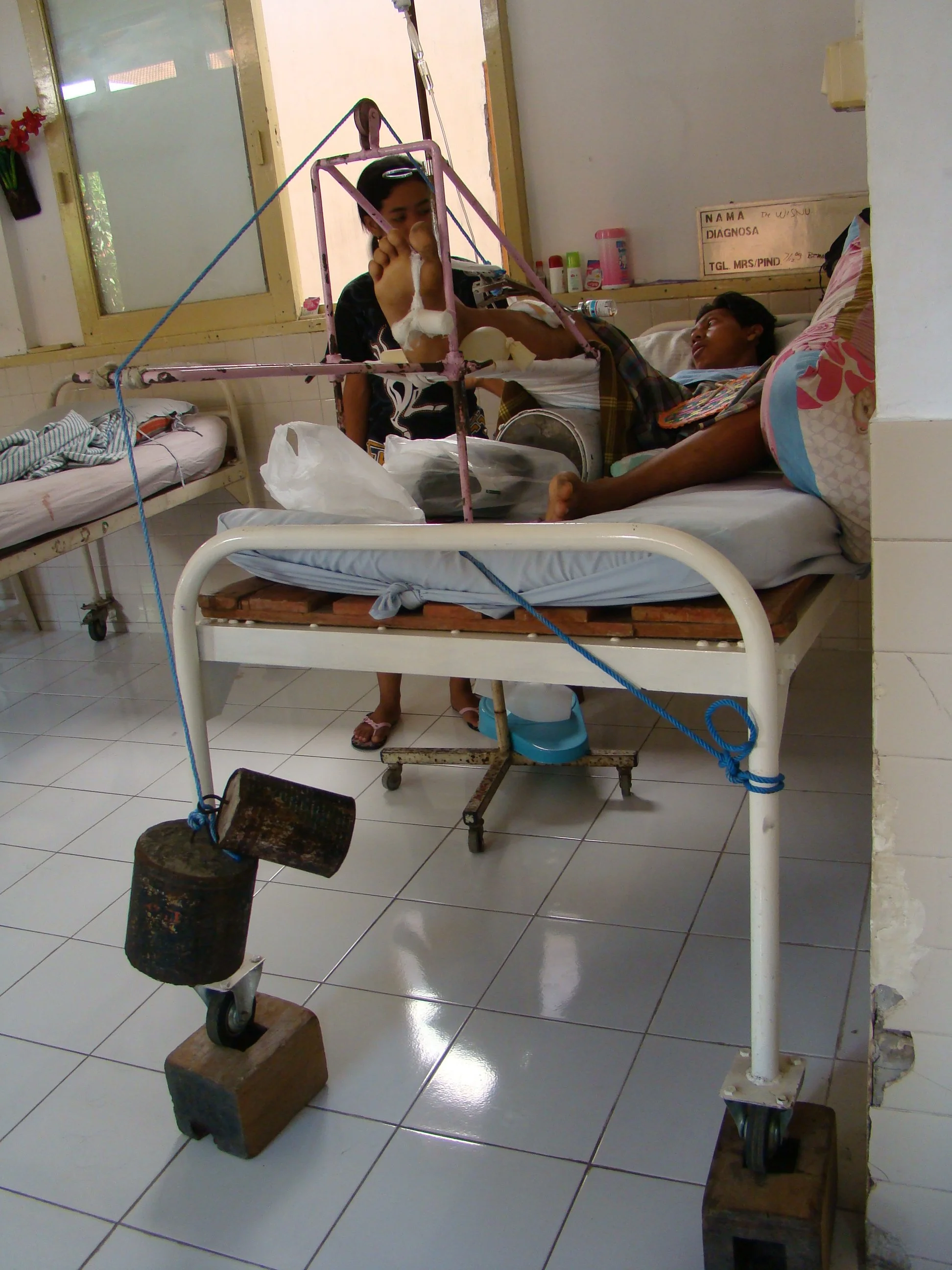
Traction weight in a Tanzanian hospital ward (2008)
Lilongwe, Malawi (2024)
Without surgical care, the most common treatment for bone fractures in LMICs is traction.
Traction keeps patients immobilized in a hospital bed for months, waiting for their bone to knit back together.
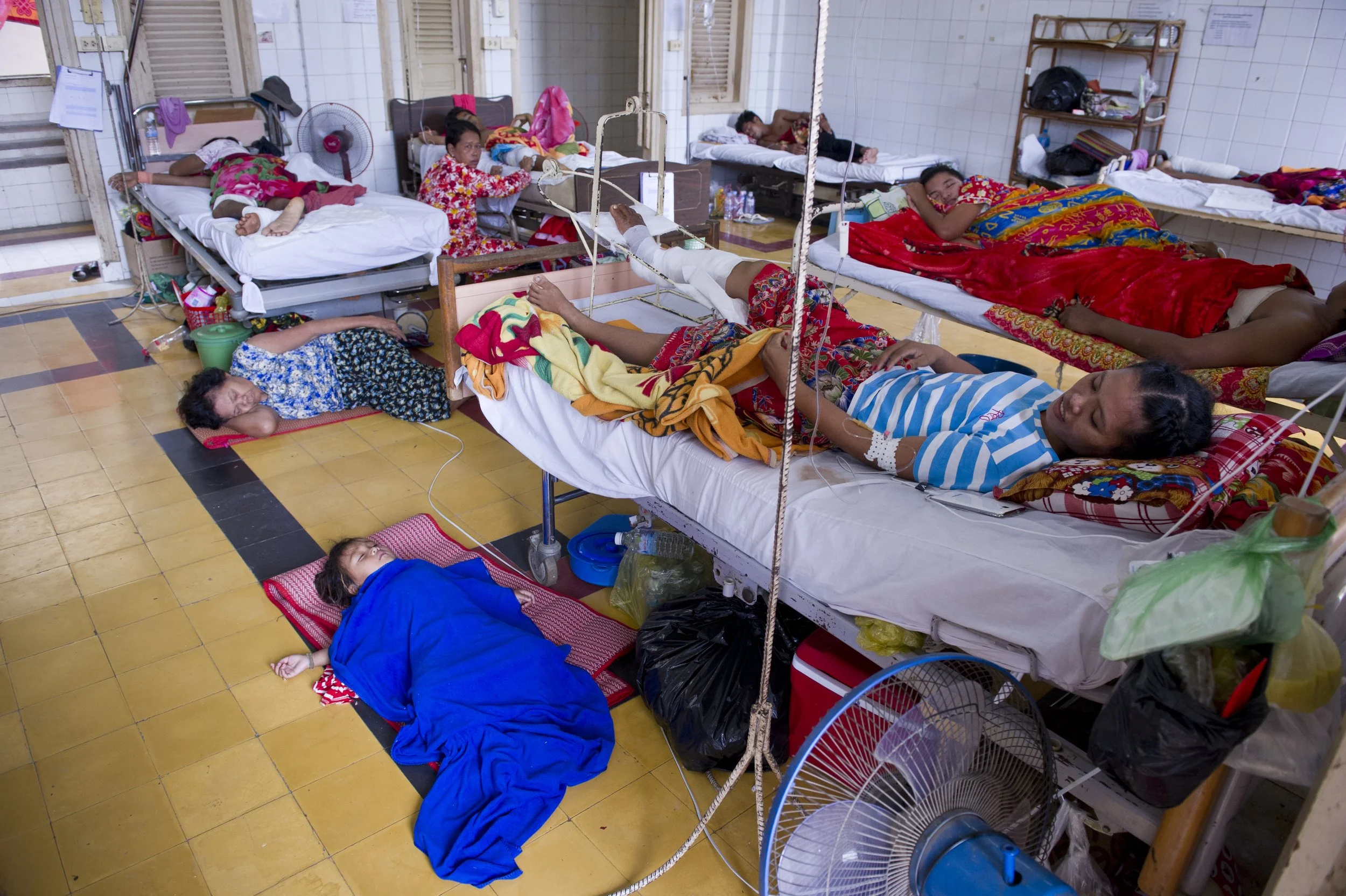
During this time, patients incur expensive hospital fees and wards become overcrowded.
Sadly, traction can often lead to infection or improper healing of the bone, resulting in permanent disability.
Phnom Pehn, Cambodia (2017)
Surabaya, Indonesia (2009)